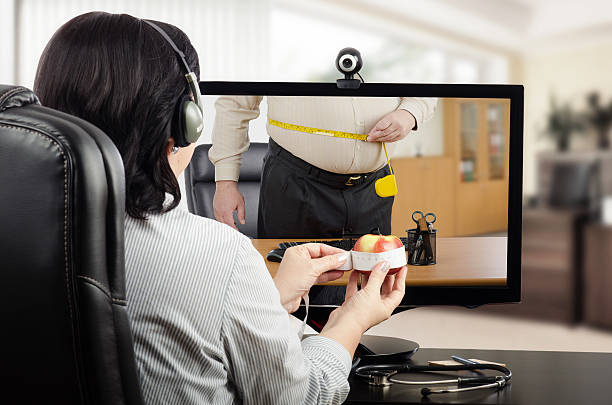
Weight loss advice is everywhere, but most of it is confusing. You hear terms like “calories,” “macros,” “deficit,” and “tracking” thrown around. But what really matters? Are you supposed to cut calories or balance macros? Many people try every trendy diet but never see results. Others think skipping meals is enough. The truth lies in understanding how your body works. If you’re searching for a reliable Weight Management Consultant in Texas, you’re not alone. People are looking for answers backed by science, not hype. This blog clears up the confusion. We’ll explore both calories and macros. We’ll show you what really moves the scale. And we’ll help you make smarter decisions for your health.
Why Calories Have Always Been the Focus
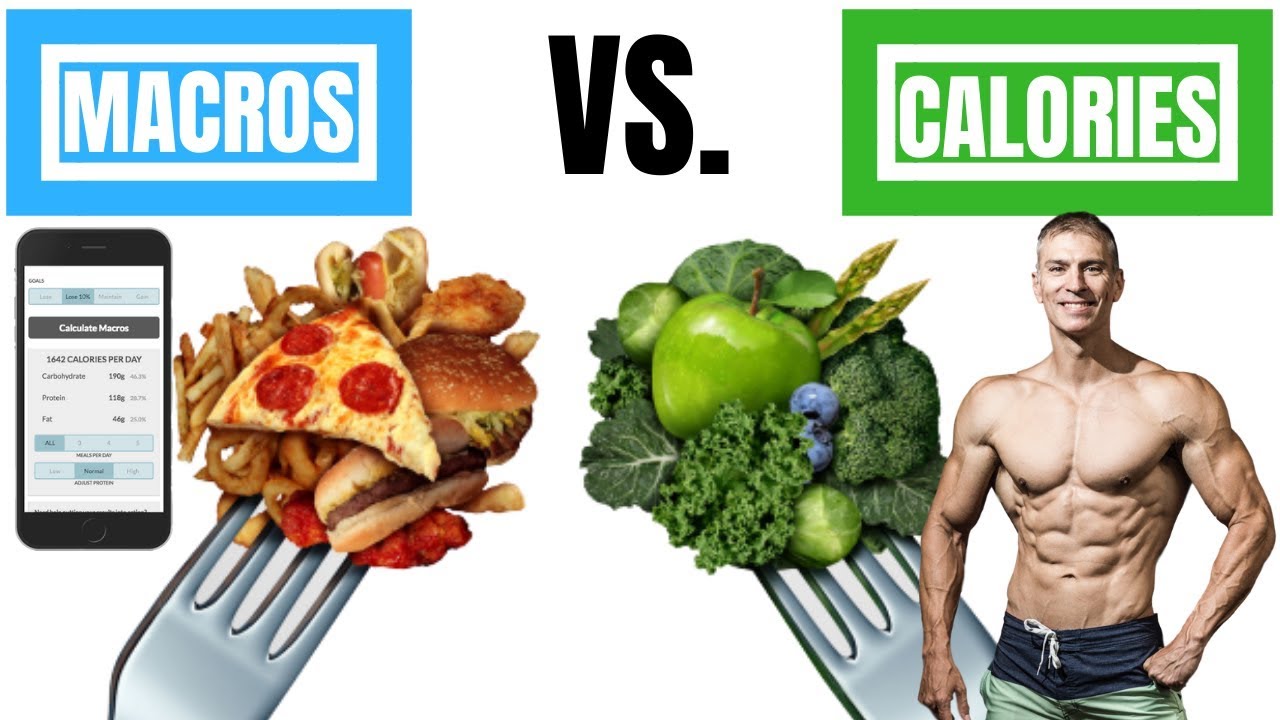
Calories are the energy units your body uses to function. If you eat more calories than you burn, you gain weight. If you eat fewer, you lose. It’s that simple in theory. That’s why most weight loss plans emphasize “calorie counting.” It’s easy to understand and apply. Just track what you eat and aim for a calorie deficit. But life is not a math problem. People’s bodies respond differently to food. Hormones, sleep, stress, and genetics also play roles. Still, understanding your calorie intake is a crucial first step. It helps set a baseline. Without this, no diet can be fully effective. Calories matter. But they’re not the whole story. So, should you obsess over calories alone? No. Calories tell part of the story, but macros complete the picture.
What Are Macros, and Why Do They Matter?
Macros, short for macronutrients, are protein, fat, and carbs. Every food item is made up of these three. Your body uses each in different ways. Protein helps repair muscles and keeps you full. Fats regulate hormones and support brain function. Carbs give you quick energy. When you only focus on calories, you miss the quality of what you eat. A 300-calorie donut is not equal to a 300-calorie chicken salad. Macros affect how your body looks and feels. They impact muscle gain, fat loss, energy levels, and cravings. Balancing macros ensures you’re fueling your body right. It keeps your metabolism active. It helps prevent nutrient deficiencies. For example, high-protein diets support fat loss more effectively than low-protein ones. Eating the right macros keeps you satisfied. This reduces binge eating and emotional snacking. Counting macros takes effort, but it pays off. You can lose weight, maintain muscle, and improve health all at once.
Calories vs. Macros, The Balanced Truth
Now let’s talk about what really works. The truth is: both calories and macros matter. But they serve different roles. Think of calories as the “quantity” and macros as the “quality” of your food. You need a calorie deficit to lose fat. That’s non-negotiable. But if you want to lose fat and not just weight, your macros must be balanced. Otherwise, you may lose muscle or feel weak. A calorie deficit with poor macros is a fast track to failure. A macro-balanced plan gives your body the tools to recover, grow, and burn fat. You won’t just lose weight you’ll look better and feel better. Cravings will reduce. You’ll sleep better. You’ll build habits that last a lifetime. So, don’t pick one side. Choose both. Track your calories and adjust your macros to fit your lifestyle. That’s the golden formula.
How to Start Tracking Your Calories and Macros
Getting started doesn’t require perfection. It requires consistency. First, download a food tracking app. Most apps today allow you to track both calories and macros. Set a realistic goal. Don’t cut calories too fast. Aim for a moderate deficit. Next, calculate your macro needs. A common ratio is 40% carbs, 30% protein, and 30% fat. But this can change based on your goals. If you want to build muscle, raise protein. If you’re more active, raise carbs. Weigh your food. Read labels. Use a kitchen scale. These may seem tedious at first. But they become habits. And those habits create results. Also, avoid skipping meals or over-restricting foods. That leads to binging later. Plan your meals. Prep ahead. Eat foods you enjoy. Just make sure they fit your calorie and macro goals. Remember, success is not about being perfect. It’s about staying committed.
Common Mistakes People Make and How to Avoid Them
People often make several mistakes while trying to lose weight. The first is not eating enough protein. This leads to muscle loss, especially in a calorie deficit. Muscle helps you burn more calories even while resting. Another mistake is ignoring healthy fats. Fats are essential for hormone balance and brain function. Cutting them too low can harm your health. People also rely too much on “low-fat” or “diet” foods. These are often full of sugar or sodium. Skipping meals is another trap. It slows metabolism and increases cravings. Also, don’t obsess over scale weight. Weight can fluctuate due to water, food, or hormonal changes. One of the biggest mistakes? Not seeking help. Working with a professional saves time and stress. A coach can personalize your plan and make adjustments as needed. Avoid shortcuts. Avoid diet fads. Choose science-backed strategies and stick with them.
Your Road to Smart, Sustainable Weight Loss
Losing weight isn’t just about less food it’s about the right food. Calories help control your energy intake. Macros guide how your body uses that energy. When you combine both, you unlock long-term success. Don’t rely on guesswork. Rely on systems. Your body deserves better than trial-and-error diets. Whether you’re just starting out or have hit a plateau, help is available. Get support tailored to your needs and your life. Take the first step toward a healthier you. At Sns Rx Online Consultancy, expert help is just a click away. Our professionals understand your challenges and provide real solutions. You don’t have to figure it out alone.
👉 Book Your Consultation Today and begin your path to lasting health.